Updated March 27, 2026 02:58PM
If you buy through our links, we may earn an affiliate commission. This supports our mission to get more people active and outside.Learn about Outside Online's affiliate link policy
The Most Anticipated (and Ridiculous) Running Shoes Dropping in April 2026
Our lead shoe tester dishes his hot takes on the latest running shoes to hit the market.

(Photo: Cory Smith)
Running shoe technology is advancing at a faster rate than ever before with new models dropping almost every week. As one of the lead testers at Outside for the past 10 years and a private running coach, I have exclusive access to the latest running shoes’ new technology and cutting-edge features, as well as breaking industry news that affects you. Here’s what I’m most excited about in April.
Nike Pegasus 42 Drops April 9 at 10 a.m. ET
The biggest news for Nike’s perennially popular Pegasus is that the Air Zoom Units (previously two separate pods located in the forefoot and heel) are now one curved, full-length unit. Last year’s Pegasus Premium debuted a full-length Zoom unit, and, while it delivered a smooth ride, it added a ton of weight, making the shoe weigh a whopping 11.5 ounces in a men’s 9. Fortunately, the Peg 42, even with the full-length Air Zoom, weighs only 10.6 ounces—1/10 of an ounce more than the Peg 41.
ADVERTISEMENT
The midsole is still Nike’s responsive React X foam, but the last has been redesigned for a more accommodating fit and improved forefoot cushioning. Somehow, this results in three millimeters more foam underfoot without adding additional stack. The good news is you’ll get all this at the same price point ($145) as the Peg 41, which, compared to similar shoes, is a great deal.
If you’re a Pegasus 41 fan, stock up now: Nike has discounted it to $100 ahead of the April 9th launch of the Pegasus 42.
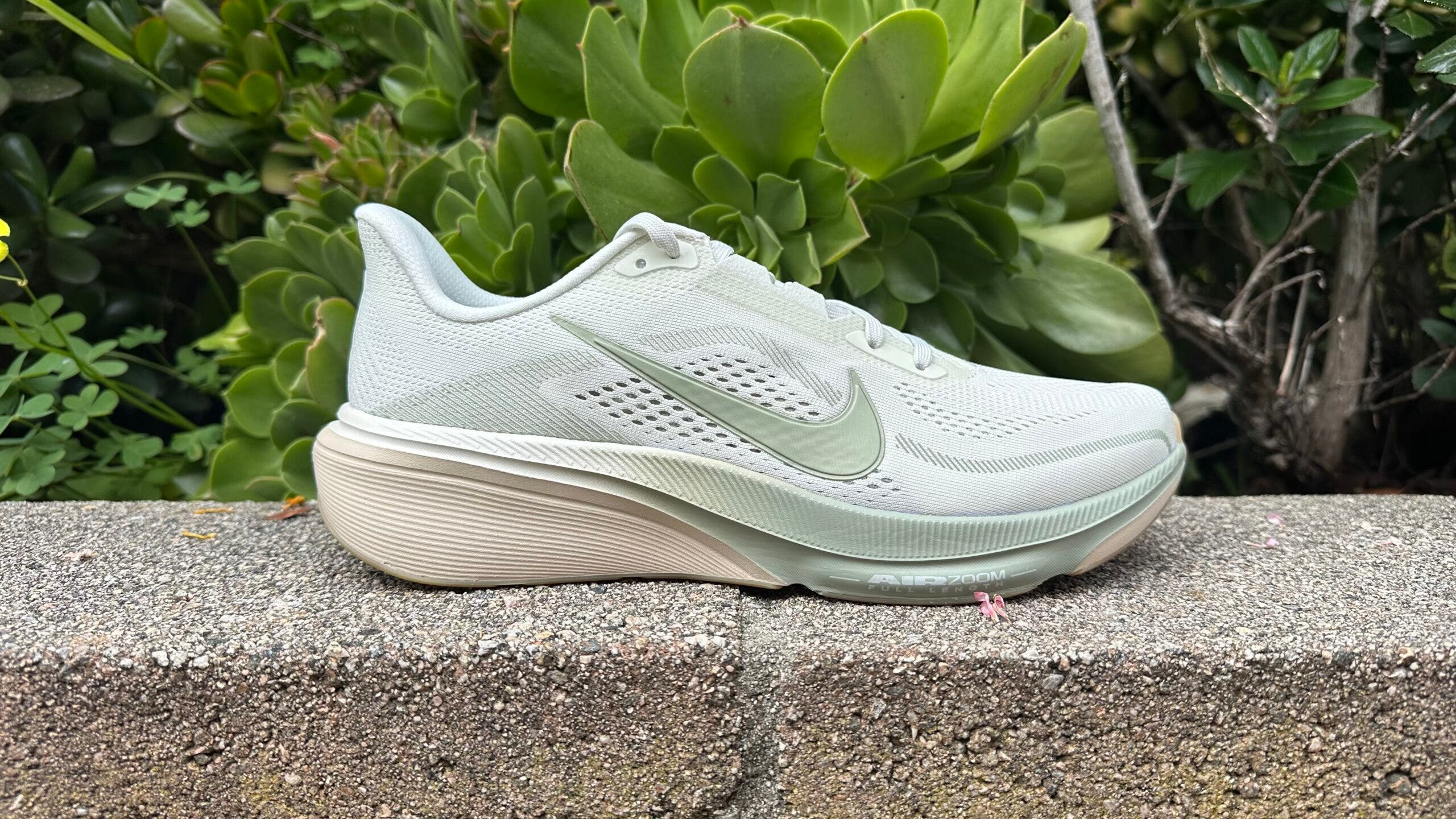
Nike Pegasus 42
Weight: 10.6 oz (men’s); 8.6 oz (women’s)
Stack: 37–27 mm
Drop: 10 mm
Hoka Zinal 3 Drops April 1 at 12 a.m. PT
Hoka has built its reputation on max cushioning, but a squishy ride does not work well for technical, rocky trails. In 2021, Hoka acted out of character by launching the Zinal, a lower-profile, lightweight trail shoe. Two years later, Hoka made the Zinal even more streamlined and aggressive. However, the Zinal never really gained popularity outside of Hoka-sponsored elite athletes.
ADVERTISEMENT
This year, Hoka is reviving this low-profile model, this time with an all-new supercritical EVA midsole, an extra-breathable upper with a stretchy new dynamic vamp, and a more aggressive five-millimeter lug pattern. The shoe arrived a few days before writing this, so I haven’t had a chance to test it on technical trails yet, but walking around in it, I’m impressed. The upper is fantastic. A mix of stretchy material in the toe box with a more structured mesh surrounding the midfoot delivers a tight, secure fit that should provide complete control through rocky terrain.
The one potential downgrade is that they dropped the Vibram® Megagrip with Litebase in favor of an in-house proprietary outsole. The good news is that in doing so, the price dropped from $160 to $150. If you like low-profile, agile trail shoes, the Hoka Zinal 3 is worth a look, especially at that price.
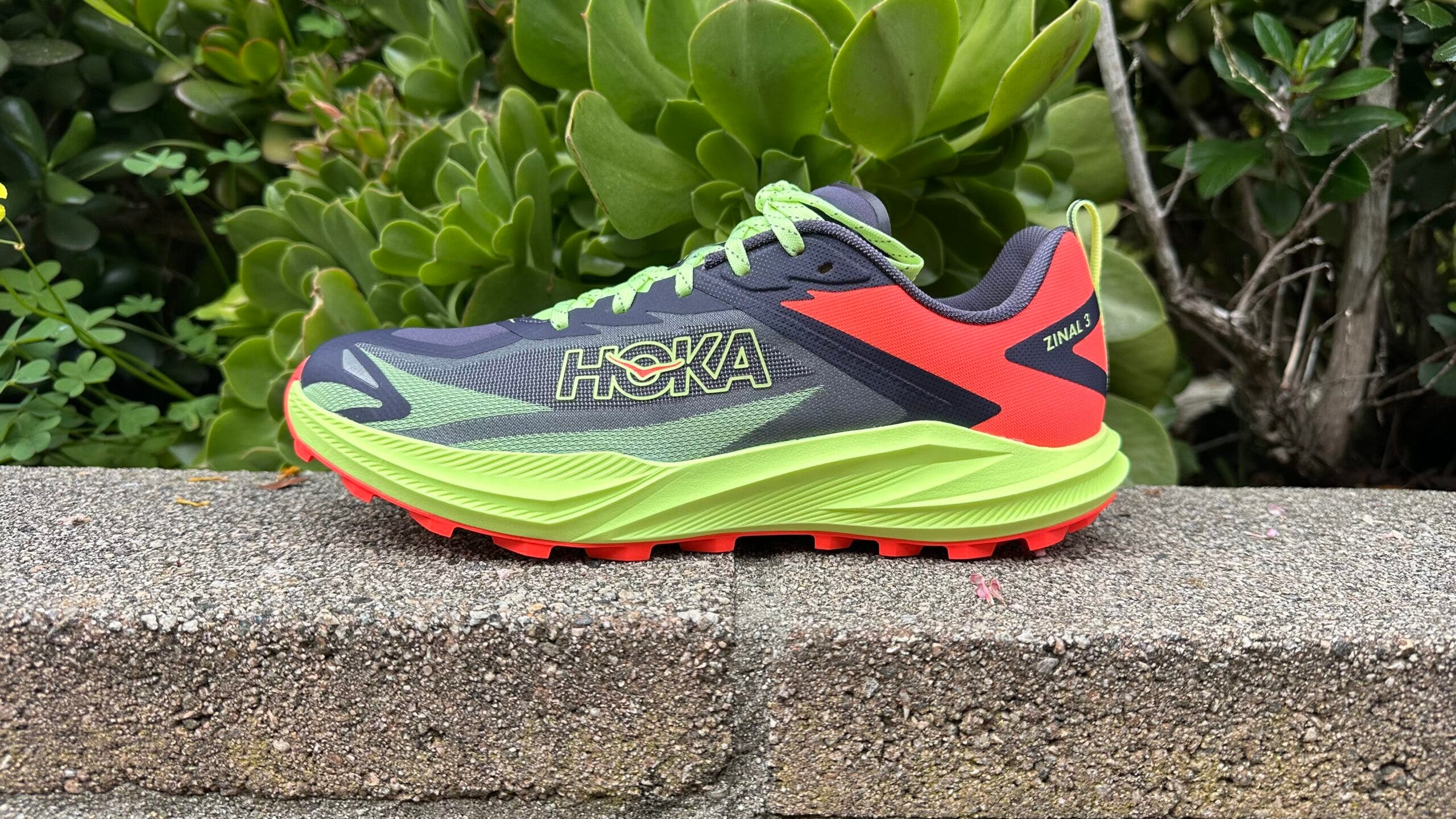
Hoka Zinal 3
Weight: 8.9 oz (men’s); 7.8 oz (women’s)
Stack: 32-27 mm (men’s); 32-27 mm (women’s)
Drop: 5 mm
On Cloudsoma Drops April 2
On has become wildly popular in the past few years, as both a lifestyle and running shoe. Yet I don’t see many when I’m on the trails. The Swiss brand is working to change that. Last season, On introduced the plated, high-stack CloudUltra Pro racer, and we were impressed, highlighting it in our Best Trail Shoes Buyer’s Guide.
This spring the brand is aiming in another direction, addressing the emerging trend of shoes that deliver a more natural, flexible experience.
The all-new On Cloudsoma gives runners a flexible, connected ground experience with On’s newest cushioning, Cloudtec Connect. It features a moderate 33–27mm stack height with independent pods that flex and move with your natural foot movement — and doesn’t have On’s signature midsole compression cavities.
ADVERTISEMENT
We’ve yet to test the Cloudsoma, but the sample we saw at a December trade show and the new tech’s concept seem promising. We’re looking forward to taking this agile shoe out on the trails.
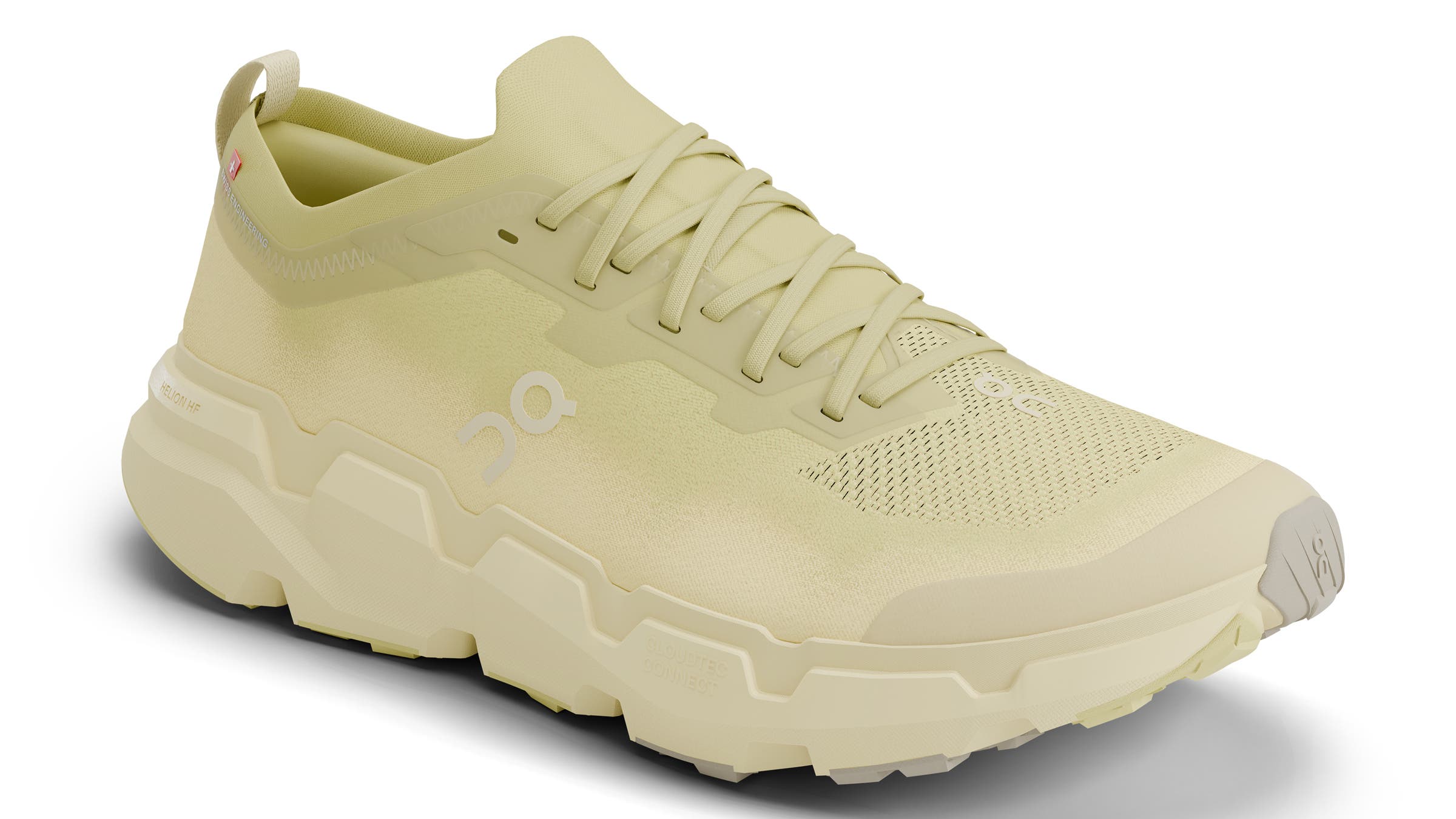
On Cloudsoma
Weight: 8.5 oz (men’s 10, women’s 11.5)
Stack: 33–27 mm
Drop: 6 mm
Adidas Adizero Prime X Evo Limited Release in April
Adidas is not afraid to think outside the box and push the boundaries of shoe design, often at the expense of being mocked. Two examples of this are the mega-stacked Prime X Strung and the “good for one marathon ” Adizero Pro EVO (which I proved more durable than advertised).
As if those two shoes didn’t draw enough attention, Adidas took it a step further, drawing on learnings from each to create the Adizero Prime X Evo. Adidas built the shoe for an August 2025 exhibition race called “Chasing 100,” where Sibusiso Kubheka broke the 6-hour mark for 100k in it.
I’ll be the first to admit, the Prime X Evo looks ridiculous. Yet, while impractical for 99% of runners, the design, materials, and methods behind the shoe are cutting-edge. At 50 millimeters under the heel, the shoe weighs only 5.3 ounces. To put it in perspective, the Nike Alphafly 3 weighs 7.7 ounces with 40 millimeters of cushioning. The Prime X Evo also debuts Energy Rim, an evolution of Energy Rods, Adidas’s version of a plate. Instead of embedding the plate throughout the midsole under each metatarsal, Energy Rim adds rigidity by placing the stiffening element along the edges of the midsole. This allows the runner to feel more of the cushioning because there is no plate directly under the foot.
ADVERTISEMENT
The Prime X EVO was released in very limited quantities at the time of the race and sold out immediately, even with a $500 price tag. Currently, it is selling for upwards of $1,000 on StockX. Adidas has confirmed to me that they will be releasing another limited quantity of the Prime X EVO in April. I don’t have the exact date, so you’ll have to check adidas’ website to see if they are available.
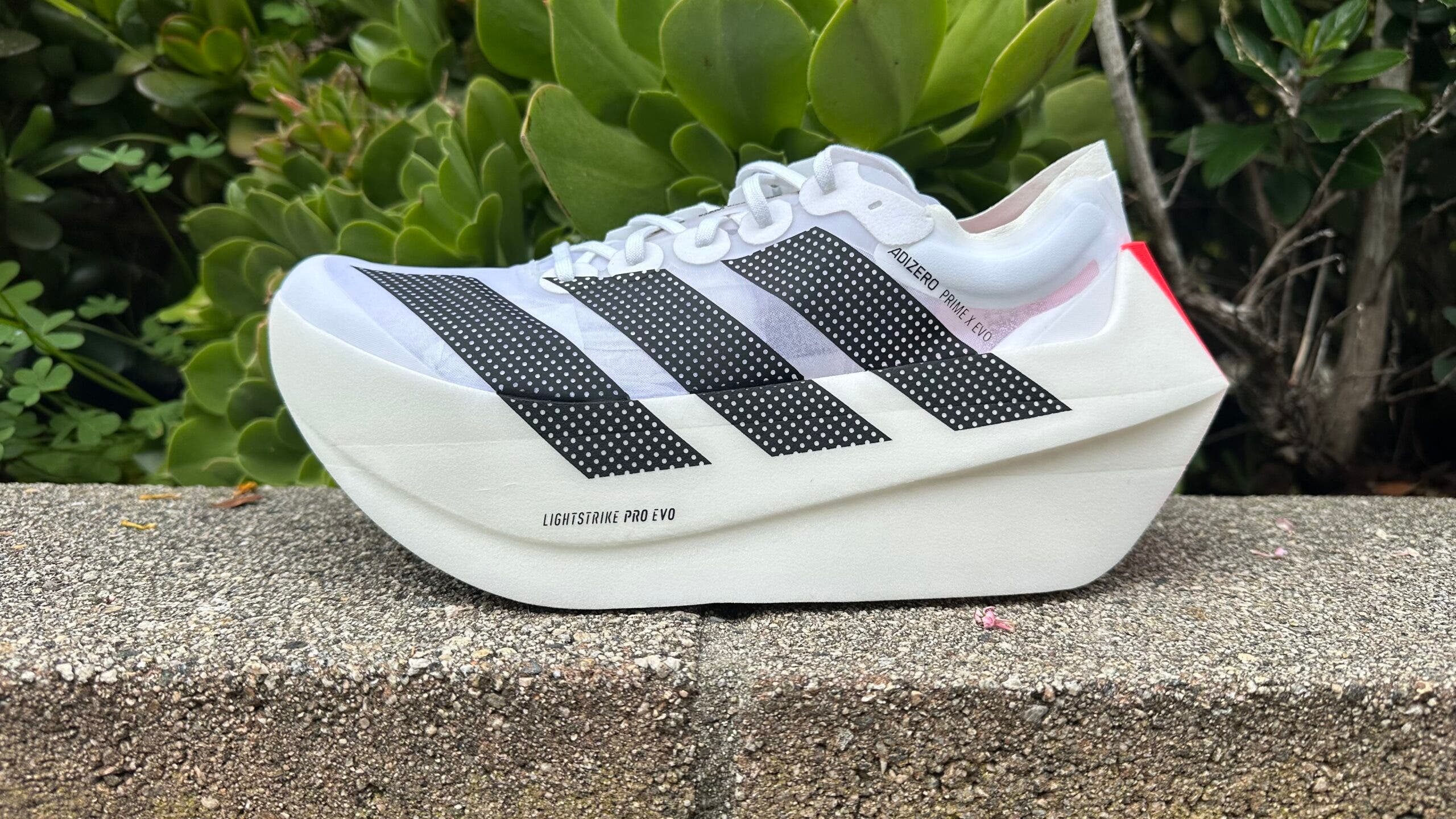
Adidas Adizero Prime X Evo
Weight: 5.3 oz (unisex)
Stack: 50–44 mm
Drop: 6 mm
Kiprun Officially Launches in the U.S. on April 6
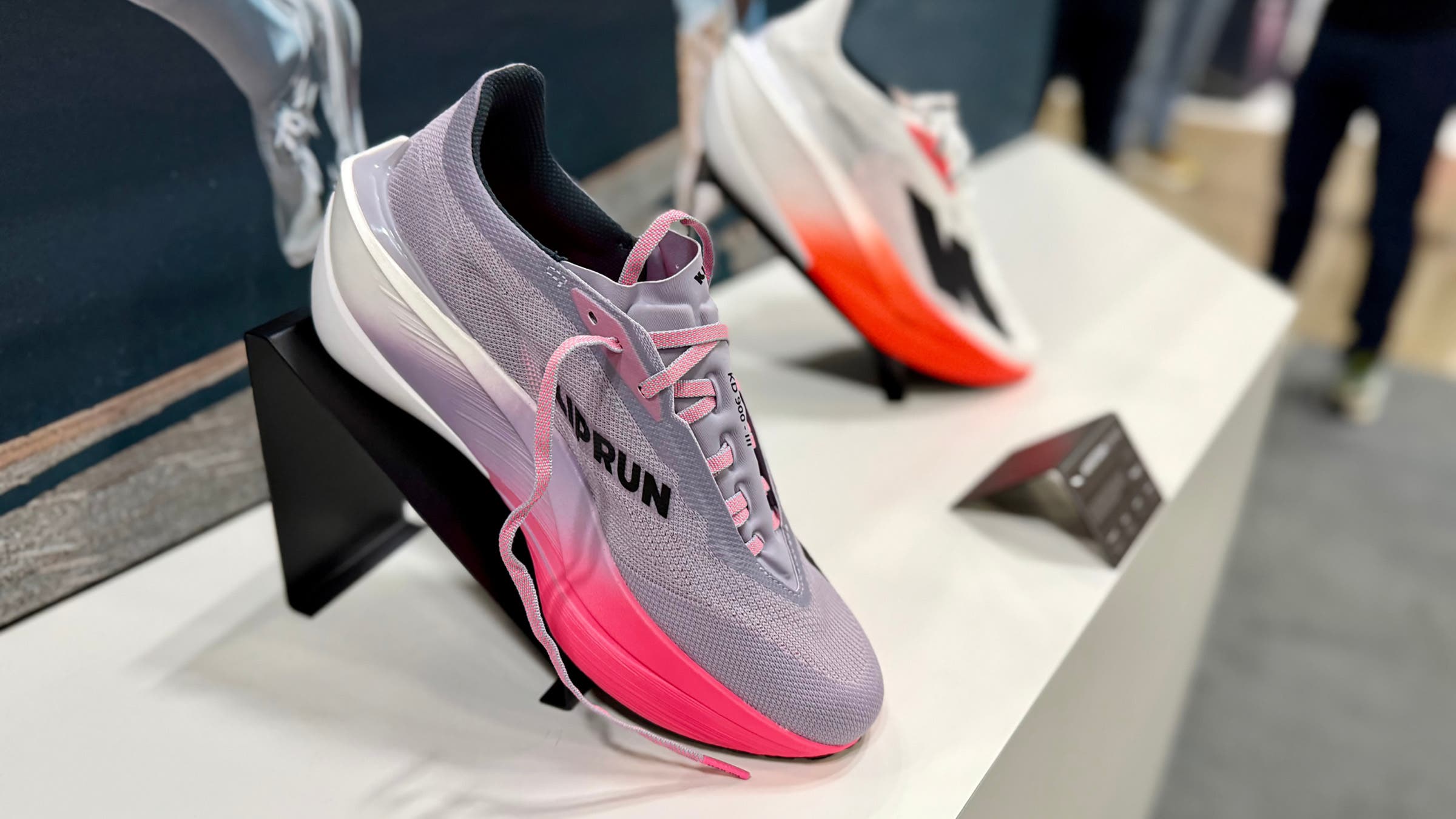
If you follow running shoe news on social media, you’ve probably come across a few brands you don’t recognize because they don’t sell to the US market. One is called Kiprun, a subsidiary of Decathlon, one of the largest sports stores in the world. The France-based Kiprun, which has been around since 2018 and operates in 70 countries, is now launching in the U.S., selling road and trail shoes exclusively through Running Warehouse.
While I have not personally tested their shoes yet, I did get to try them on at 2026’s The Running Event. The two shoes that stood out the most were the Kipstorm Tempo, a lightweight, non-plated “supertrainer,” and the Kip Summit Max, a maximum cushioned trail shoe. Both shoes feature the industry’s highest-performing foam, A-TPU, in the midsole, and sell at the very reasonable prices of $170 and $150, respectively.
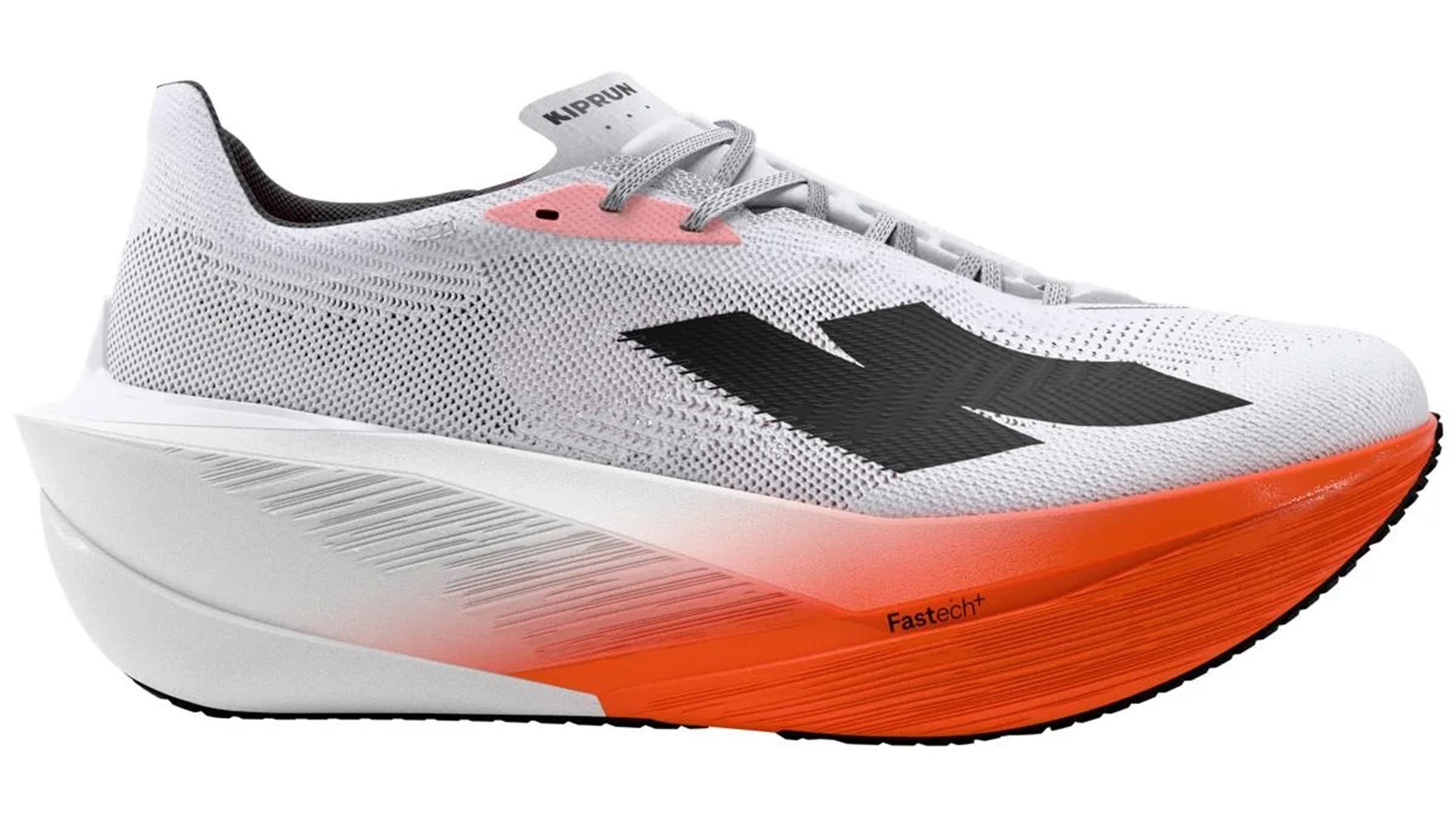
Kiprun Kipstorm Tempo
Weight: 8 oz (men’s); 6.7 (women’s)
Stack: 42–34 mm (men’s); 44–36 mm (women’s)
Drop: 8 mm
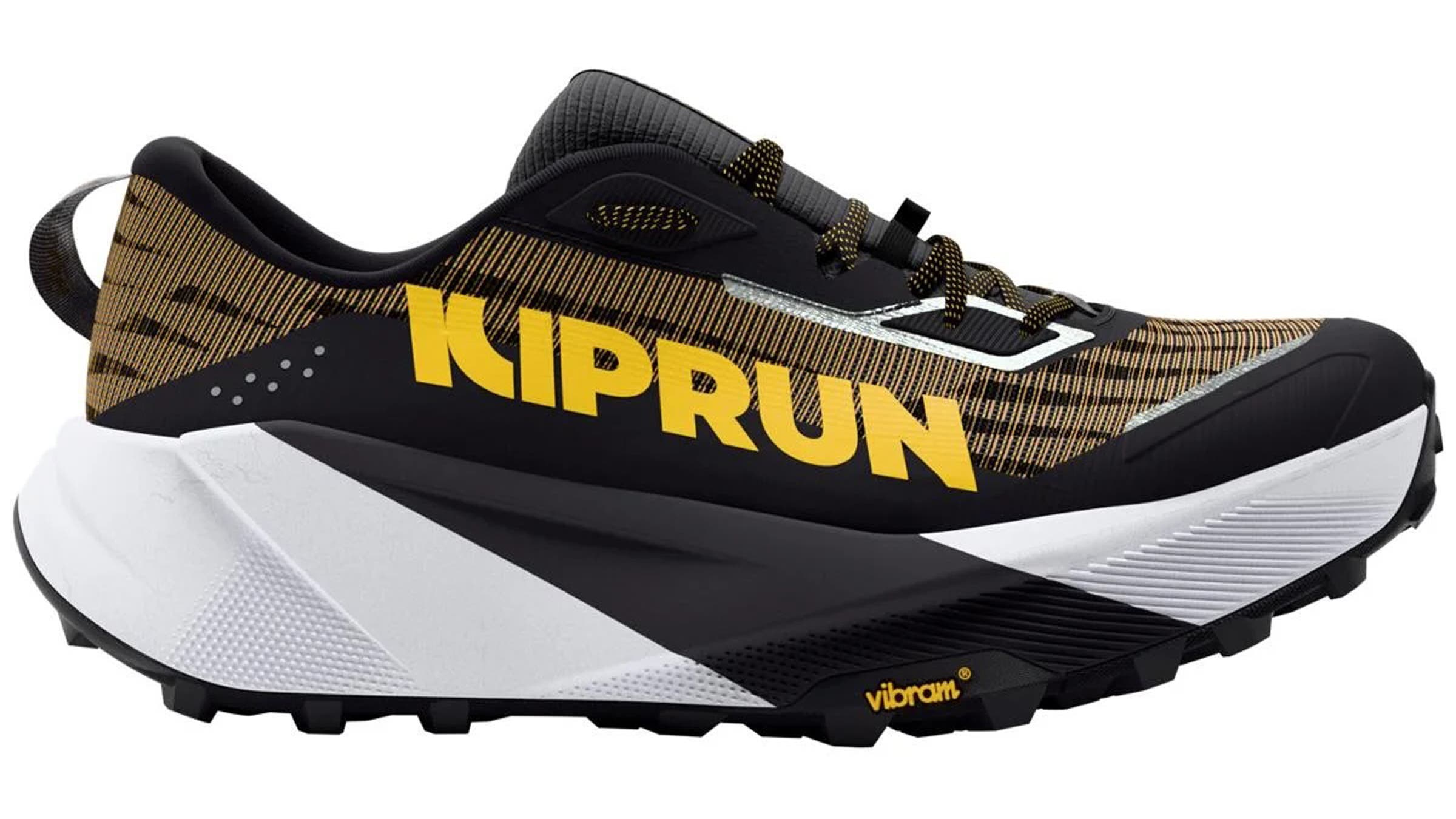
Kiprun Kipsummit Max
Weight: 9.8 oz (men’s); 8.4 (women’s)
Stack: 39–33 mm (men’s); 38–32 mm (women’s)
Drop: 6 mm
