Published December 2, 2025 07:00AM
If you buy through our links, we may earn an affiliate commission. This supports our mission to get more people active and outside.Learn about Outside Online's affiliate link policy
I Usually Avoid Stability Shoes. Then I Tried the Nike Structure Plus.
Nike’s Structure Plus blends a tall stack height of layered foam with smart geometry for a ride that’s more stable—and comfortable—than expected.

Nike Structure Plus review of the latest stability shoe from the company. (Photo: Cory Smith)
When Nike introduced its new naming convention last year, it chose the Structure, its core stability model, to stand alongside the peppy Pegasus and plush Vomero. Each model now comes in three tiers: Icon (or base), Plus, and Premium, reflecting a progression in technology and materials. As you move up the tiers, Nike incorporates more advanced foam and performance features.
Originally launched in 1991, the Nike Structure is Nike’s go-to stability trainer. The 26th version of the base-model Structure came out last summer with a notable update: a higher stack of full-length ReactX foam, a compound Nike claims is 13 percent more responsive than the previous React formulation. In step with the new three-tiered structure, the next release in the Structure line is Structure Plus. We got our hands on an early pair—here are our first impressions.
Nike Structure Plus: At-a-Glance
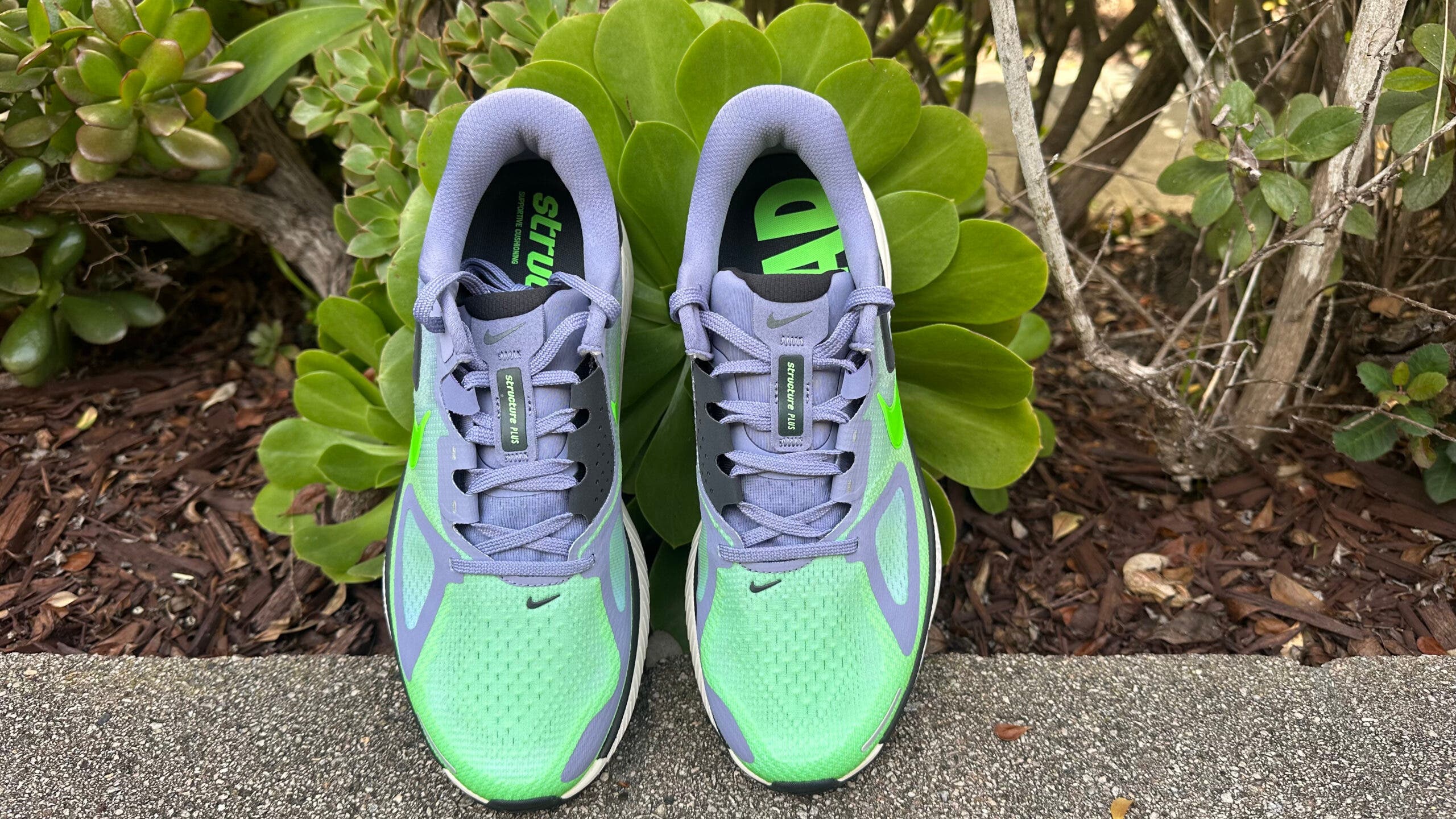
Nike Structure Plus
Weight: 10.8 oz (men’s 10); 8.7 oz women’s 8)
Stack Height: 42–32 mm
Heel-to-toe Drop: 10 mm
Pros and Cons
+ Surprisingly smooth ride for a stability shoe
+ A touch of softness directly under the foot adds comfort
+ Very stable for having 42mm under the heel
+ Upper is plush and supportive
– Not made for speed
– Feels flat at faster paces
Nike Structure Plus First Impressions
Every shoe tester has their least favorite type of shoe. When samples arrive, unlike other shoes that we eagerly unbox, put on, and test immediately, they sit unopened in a corner until we absolutely have to put in the miles. For me, that’s a stability shoe.
However, I’ve recently been dealing with a tendon problem in my ankle. Luckily, I’ve still been able to run, but I need to limit inversion (rolling of the ankle inward). In a twist of fate, the Nike Structure Plus showed up last week and is exactly what I need.
ADVERTISEMENT
Stability shoes have evolved over the past few years as our understanding of how stability features and pronation interact has caused brands to reengineer how they design for stability and support. Instead of hard medial posts designed to block the foot from rotating inward, brands are adopting far less intrusive measures. Stability is now achieved through wider geometry and the strategic placement of different density materials to make the underfoot platform less tippy.
The Nike Structure Plus sits at 42mm in the heel and 32mm in the forefoot (4mm taller than the Structure 26), making it one of the tallest stability shoes. Unlike the single-density ReactX midsole in the Structure 26, the Plus uses a dual-density setup: firmer ReactX on the bottom for a stable platform, and a softer, more responsive layer of ZoomX on top. This combination offers a blend of cushioning and control for a smoother ride without becoming wobbly.
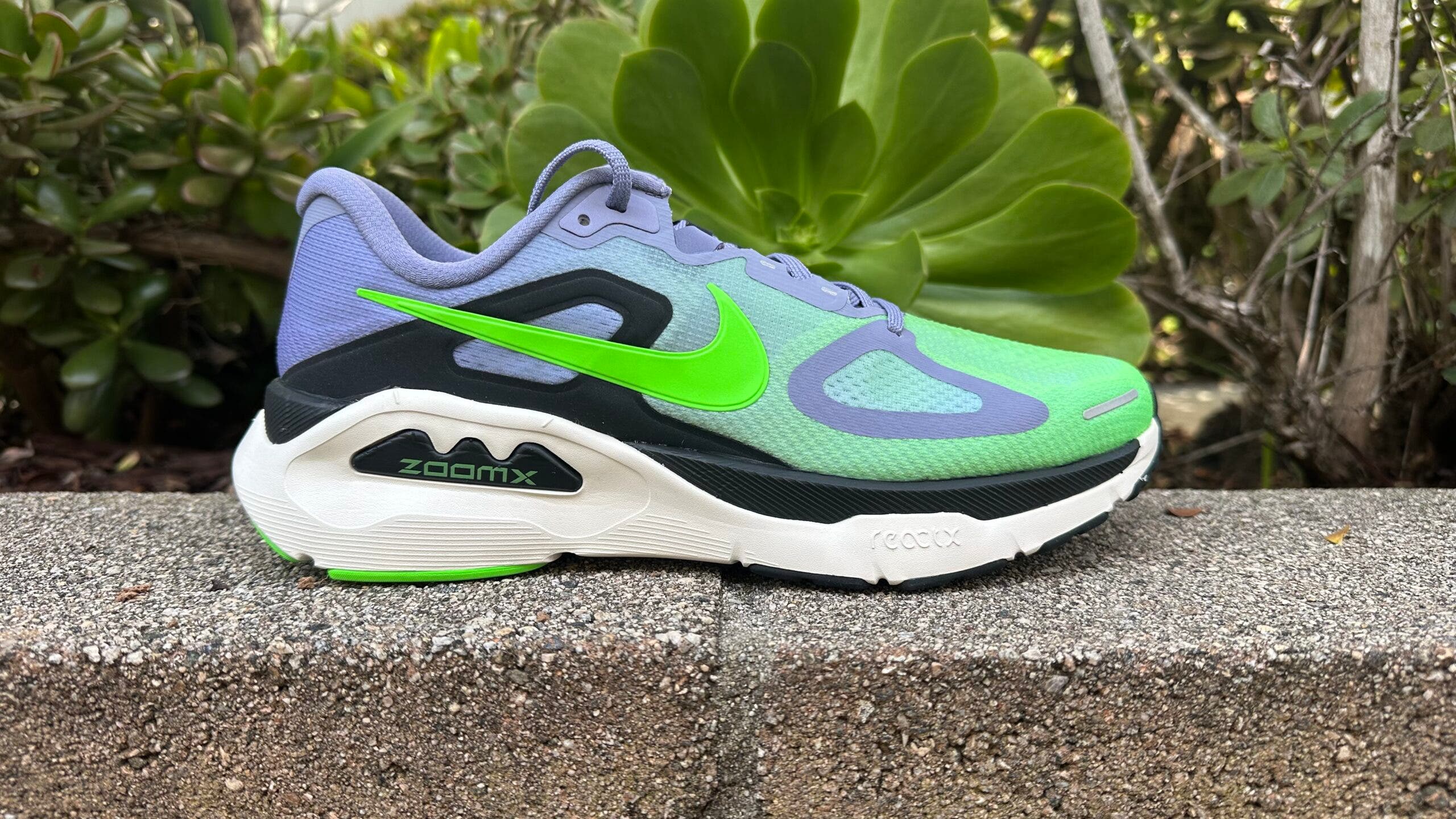
It’s worth noting that the ZoomX used here isn’t the same PEBA-based foam found in Nike’s racing shoes, such as the Alphafly or Vaporfly. Instead, it’s a TPEE-based version that Nike says offers similar energy return while providing increased durability.
As running shoes get taller and more cushioned, they often become less stable. Nike addresses that challenge in the Structure Plus with a combination of thoughtful geometry and strategic support. A firmer “rail” wraps around the medial arch and lateral heel, part of what Nike calls the midfoot support system, centering and guiding the foot without overcorrecting it and blocking its preferred movement path.
ADVERTISEMENT
To further improve stability, Nike widened the shoe’s footprint and refined the sidewall geometry, making it slightly more convex and flatter on the arch side. These subtle tweaks help limit the compression of the softer ZoomX foam, resulting in a more stable ride despite the added height and cushioning.
When I first laced up the Structure Plus, I was immediately struck by how comfortable they felt. Underfoot, there was a noticeable touch of softness, something I hadn’t experienced in a stability shoe before. That feeling didn’t come at the cost of support, though. Despite the towering 42mm stack, the wide footprint delivered a surprisingly stable ride.
Most thick-soled shoes rely on a rocker to create a smoother, more propulsive roll. The Structure Plus, however, has a relatively flat sole with just a subtle rocker under the toe. I assumed this would make the shoe feel flat, but from my first steps, I found the ride surprisingly smooth, not firm and rigid like traditional stability models. Instead, there was a subtle flex that felt steady and grounded, delivering comfort without sacrificing control.
ADVERTISEMENT
One thing, however, became clear right away: these shoes aren’t built for speed. There was little to no forward propulsion. As my pace picked up, the lack of a rocker became more noticeable, making transitions feel a bit flat. The Structure Plus is clearly for easy runs, where comfort and stability take priority over propulsion.
The Structure Plus’s upper nods toward retro ’80s and ’90s design, with bold overlays and thick materials, but without the weight and stiffness of those earlier eras. Engineered mesh, layered with strategic overlays, and a supportive lacing cage around the arch, locks down the foot for a secure, comfortable fit that delivers both nostalgic style and modern-day comfort and performance.
Nike Structure Plus: Who Its For
There’s a phenomenon in psychology and behavioral economics known as the “middle-option bias.” It refers to the tendency for people to gravitate toward the middle choice when presented with three options arranged in a sequence. Whether Nike intentionally designed their three-tiered model lineup to take advantage of this bias or not, I’ve definitely fallen for it. With both the Pegasus and Vomero, I found the Plus to be the best, and, while I’ve yet to see the Premium version, I now feel the same about the Structure Plus. It’s essentially a slightly more cushioned, smoother-riding Structure 26. Who wouldn’t want that?
If you’re a runner who deals with excessive inward ankle roll (overpronation), flat feet, collapsing arches under load, or recurring issues like shin splints, knee pain, plantar fasciitis, or hip discomfort, the Structure Plus could be a solid everyday trainer. Even runners who typically prefer neutral shoes could benefit from the added support on long outings or recovery runs, when fatigue makes your stride less stable. Just don’t attempt to run fast. These are strictly meant for steady, easy miles where comfort and support take priority.
ADVERTISEMENT
The Structure Plus will launch exclusively at running specialty stores worldwide on January 8, 2026, before becoming available at nike.com and additional retail locations on February 5.
Similar Shoes
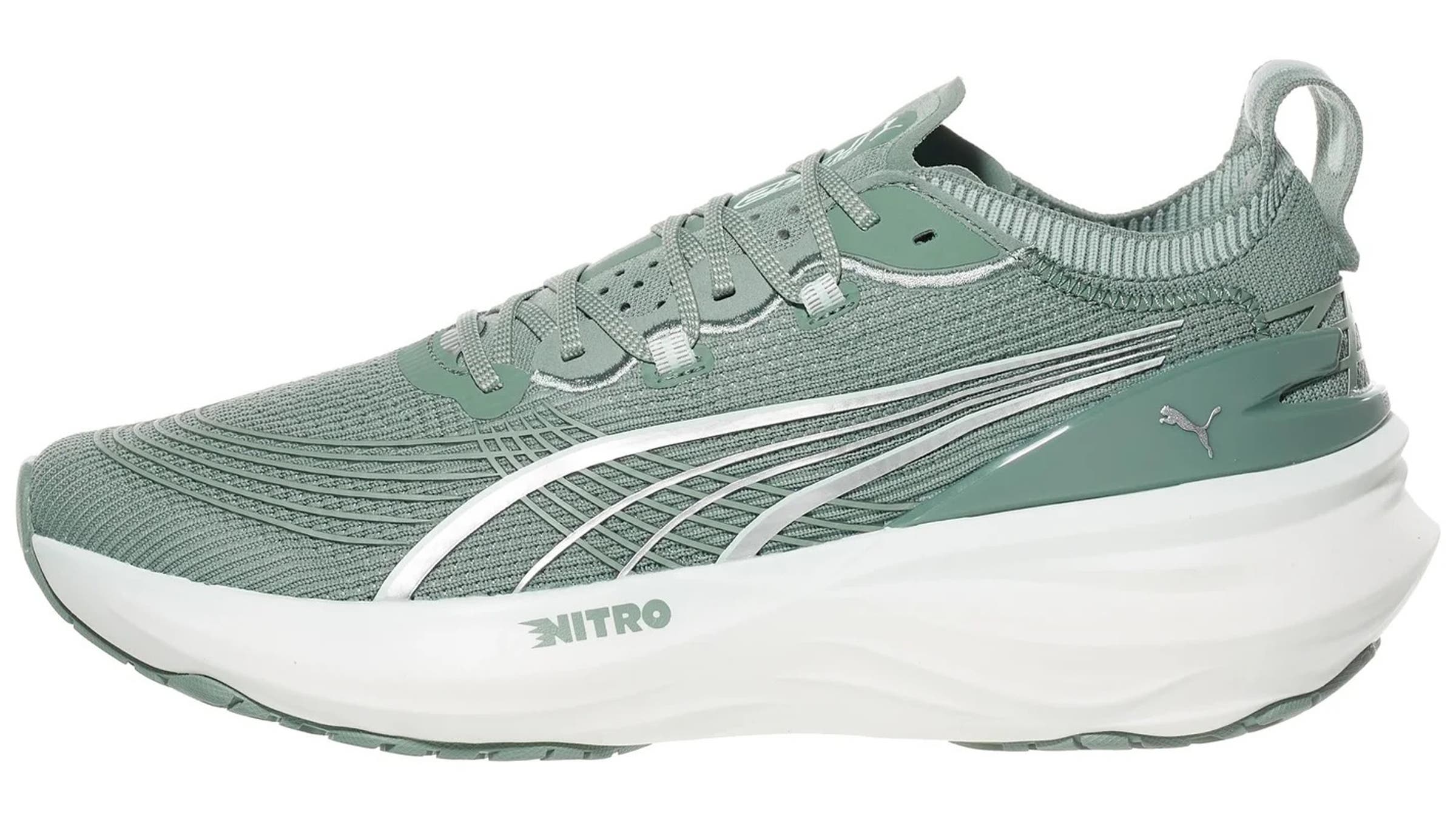
Puma ForeverRUN Nitro 2
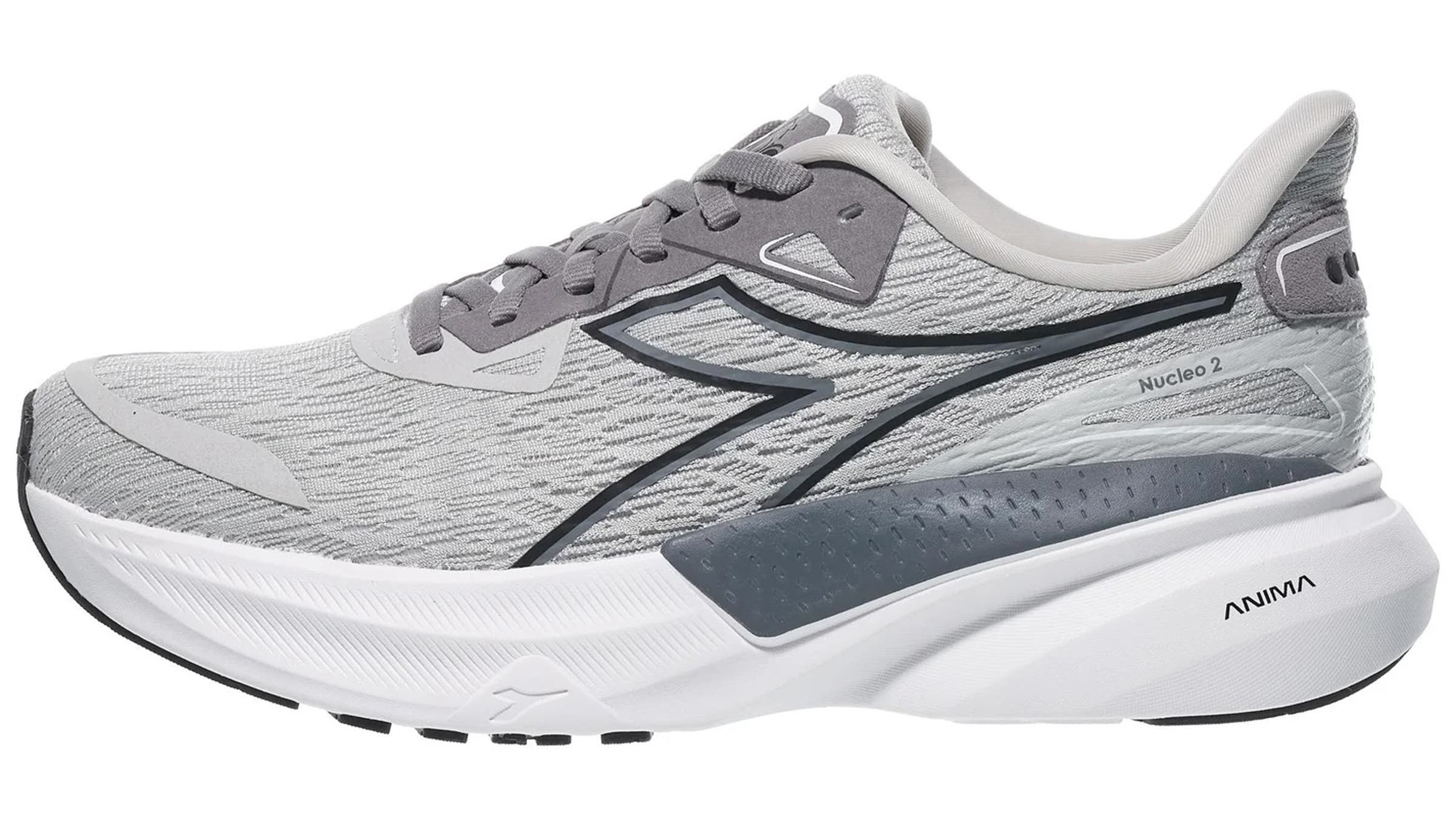
Diadora Nucleo 2
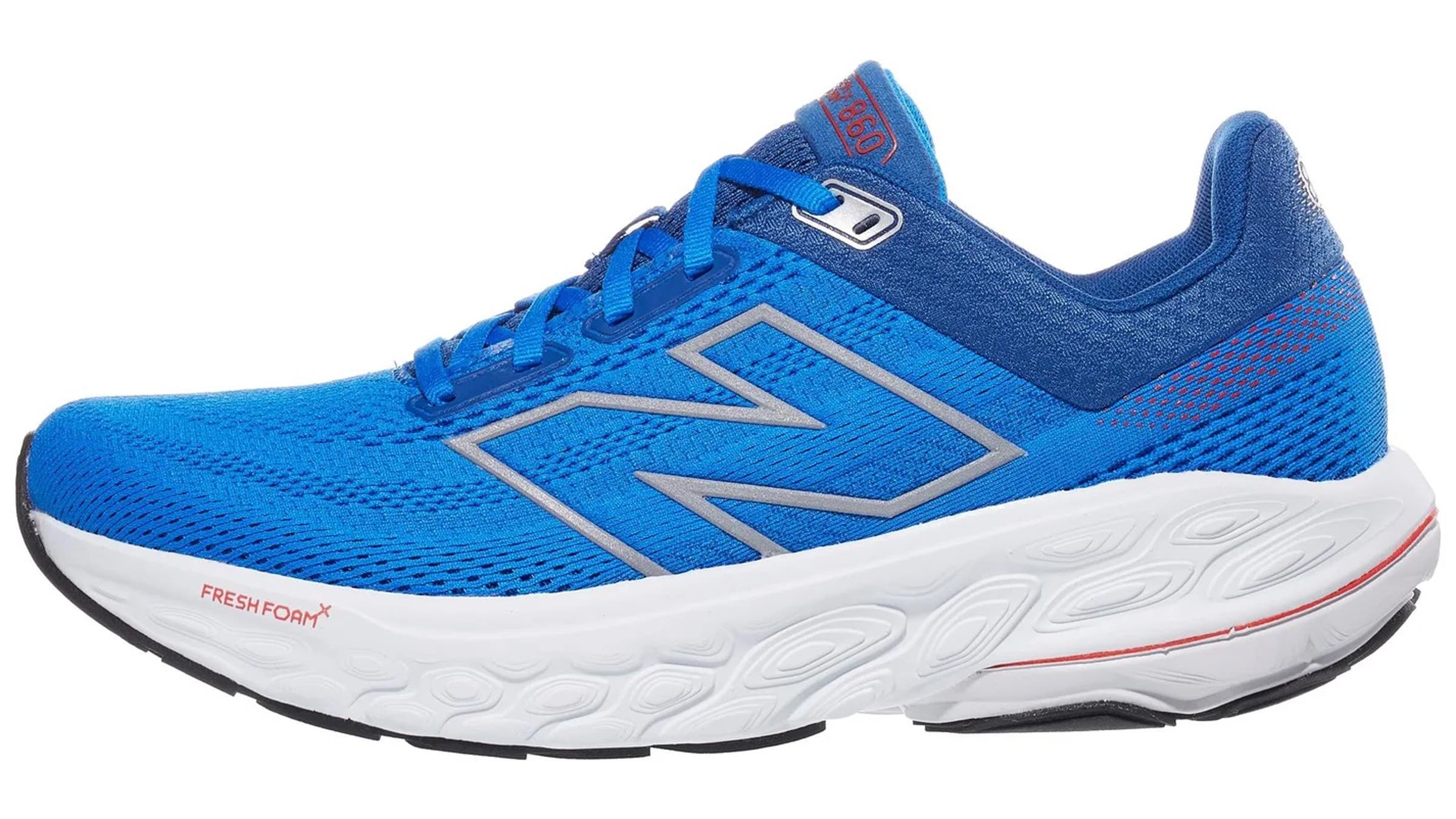
New Balance Fresh Foam X 860 v14